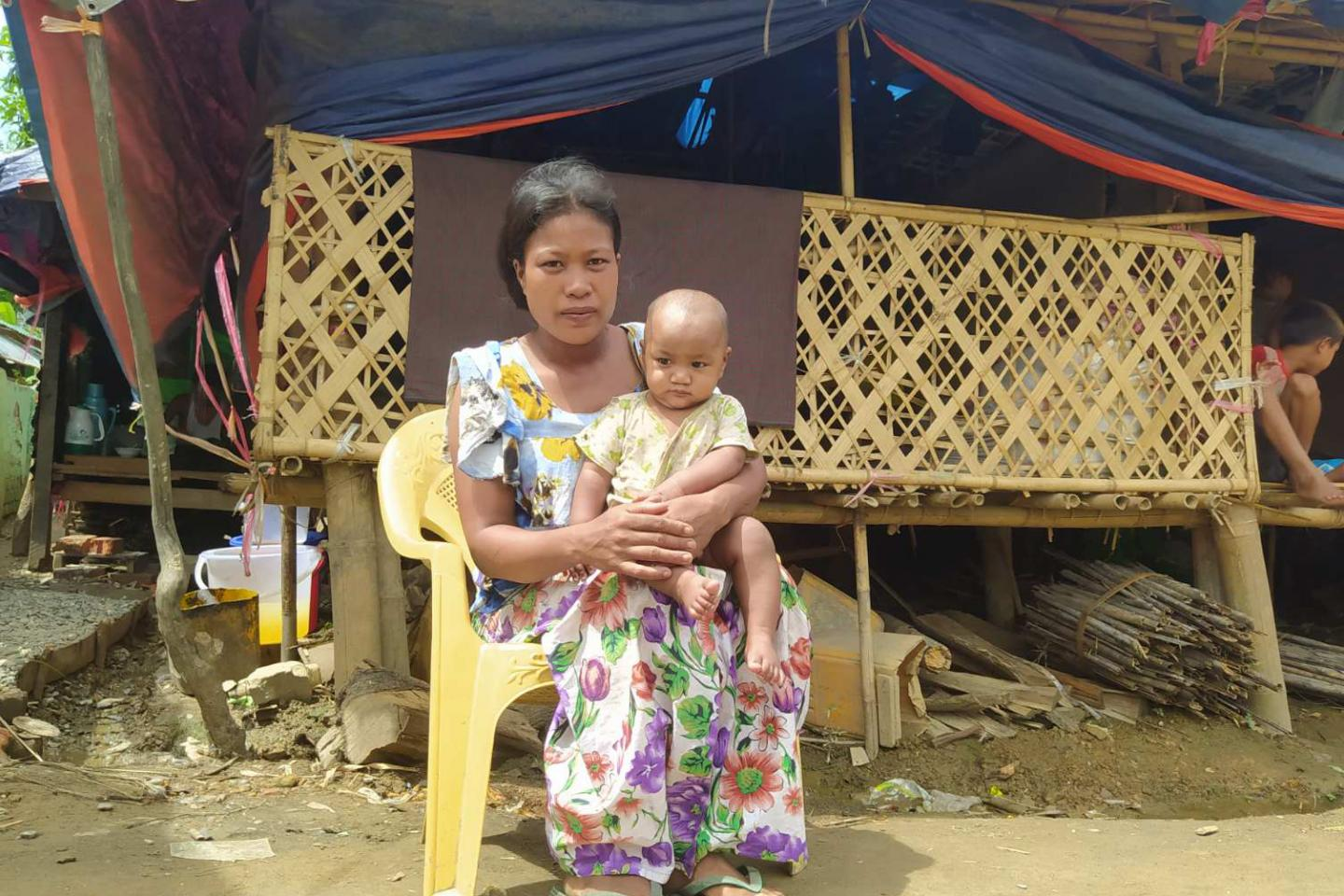
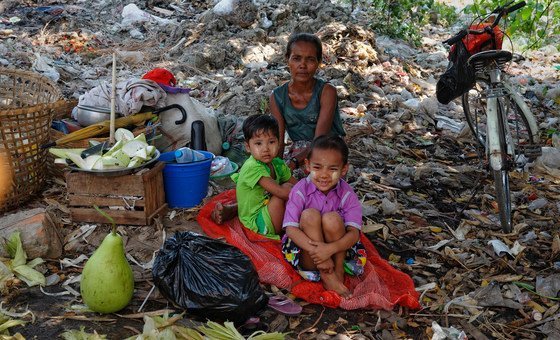
How bad has poverty become over the years in the Myanmar?


"About 40 percent of the population is living below the national poverty line in 2022" -World Bank.

"Around 40 percent of Myanmar’s 55 million population have dropped into poverty less than 18 months after last year’s coup, reaching a poverty rate that Myanmar has not seen for at least 15 years" -The Irrawaddy

Until the coup, Myanmar had achieved significant success in poverty reduction over the last decade. In 2017, Myanmar had a poverty rate of 24.8 per cent, down from 32.1 per cent in 2015 and 48.2 per cent in 2005, according to the United Nations (UN)
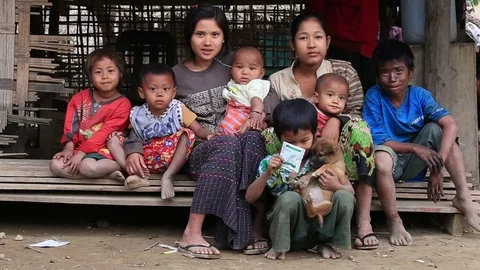
Families In Poverty

family in poverty

Children and families living and growing up in poverty and low-income households experience many disadvantages. These can have negative health and social consequences during childhood and into adulthood.

Poverty can create considerable stress for families. As per the family stress model, poverty can contribute to interparental conflict, which plays a key role in family dynamics and can be a precursor to negative child outcomes.

Poverty and Vulnerability Dynamics

Myanmar achieved distinct progress in economic growth and poverty-reduction during the years 2005-18. However, extreme natural events, economic, political and social crises, the ongoing Covid-19 shock and the February 2021 military coup have posed serious challenges to both growth and poverty reduction.
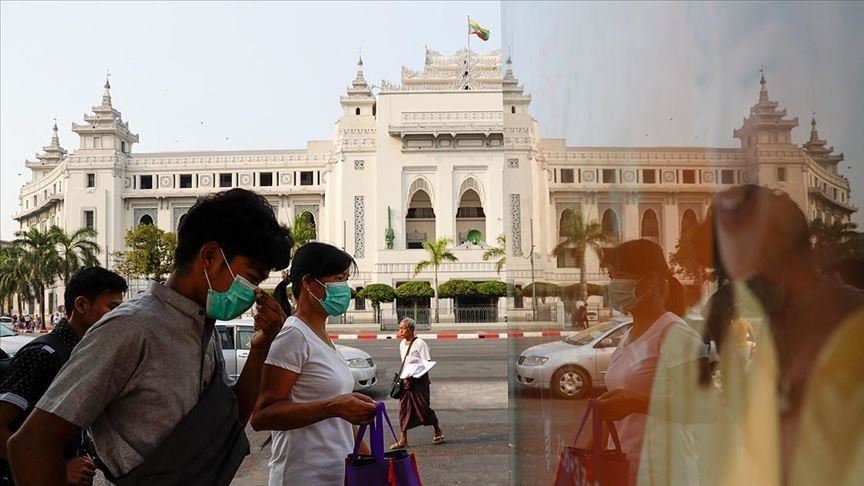
Covid-19 in Myanmar

About half of the population was poor in 2005 (48.2%), but the poverty rate has been estimated to have declined to 42.4% in 2010, 32.1% in 2015, and close to a fourth in 2017 (24.8%).

Several key events occurred in 2015–17 that shaped Myanmar’s socioeconomic and political situation, and its relations with the rest of the world. In 2015, the National League for Democracy won the parliamentary elections, obtaining over 80% of the available seats. These elections ended more than five decades of military rule and signalled a new era of economic recovery, democratic transition, and much desired ethno-religious reconciliation. At the same time, 2015 was a precarious year in the long-standing Rohingya crisis, with approximately 94,000 refugees and migrants departing by sea from Bangladesh and Myanmar, according to a 2015 UNHCR report. This led many to criticise the government and its policies towards minorities. Nevertheless, economic growth mostly continued, even accounting for severe flooding in the second half of 2015. Subsequently, about 700,000 Rohingya fled in 2017 to neighbouring Bangladesh, further damaging Myanmar’s international image; yet, little noticed was the fact that poverty in the country had been on a downward trend.

Spare some for the poor?

Please consider donating if you have any extra money lying around in your bank account. These poor, unfortunate souls will appreciate it very much.